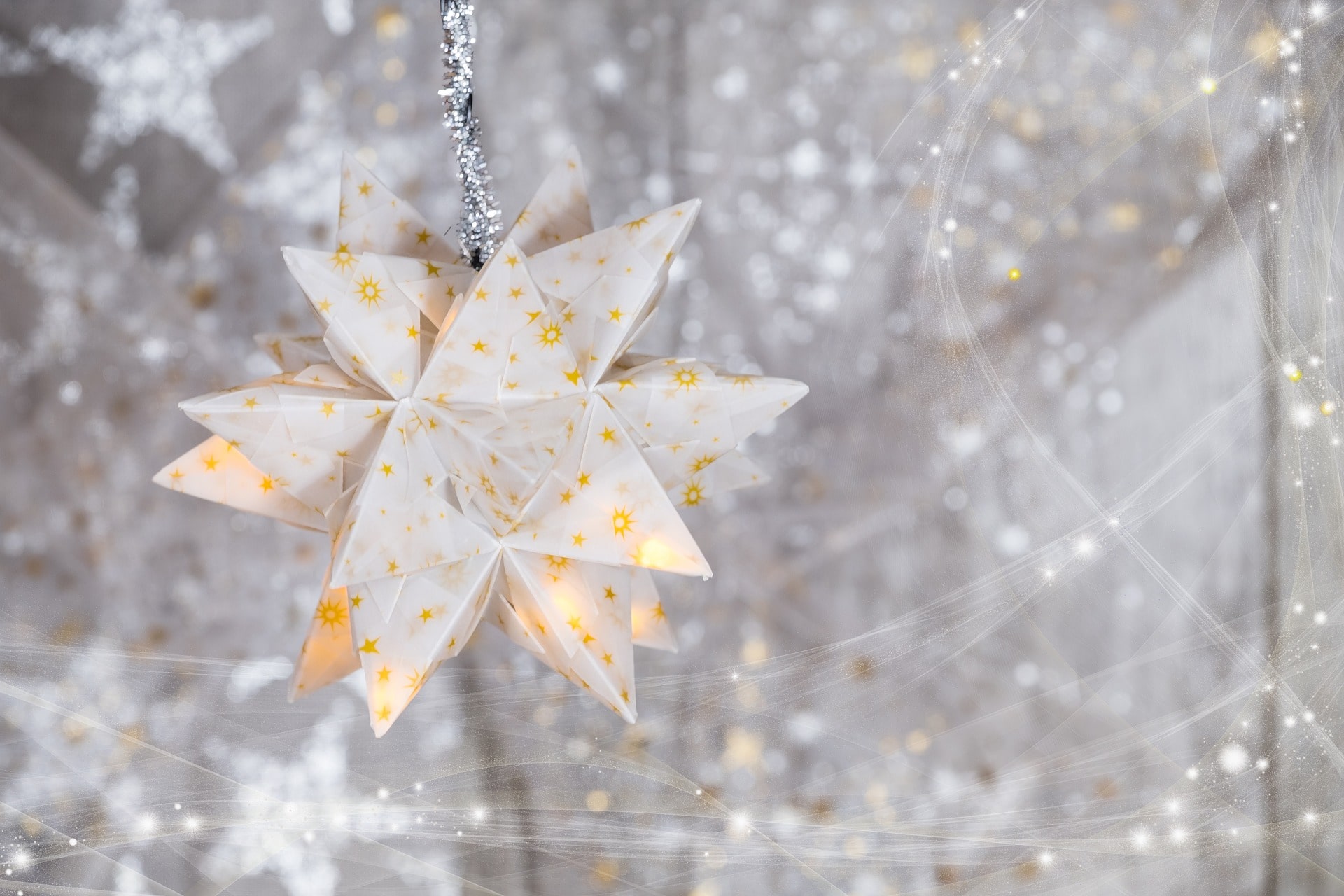
Handmade greeting cards are a heartfelt, creative way to celebrate special moments while expressing personal style. Whether you’re designing a birthday card, thank-you card, holiday greeting, or a simple note “just because,” handmade cards add warmth and meaning that store-bought versions often lack. Best of all, anyone can make them—no artistic training required.
This guide covers everything you need to know: essential tools, design techniques, card-making styles, step-by-step project ideas, decoration tips, and practical advice for beginners.
1. What Are Handmade Greeting Cards?
Handmade greeting cards are personalized cards created using paper, decorative elements, and creative techniques such as drawing, stamping, cutting, folding, and layering. Unlike printed store cards, handmade cards reflect the maker’s personality through colors, textures, and custom messages.
They can be simple or elaborate, rustic or elegant, minimal or highly decorated—whatever fits your vision.
2. Why Make Handmade Cards?
a. Personal & Unique
Every card becomes a one-of-a-kind gift that shows thought and care.
b. Affordable
Many cards can be made using cheap materials or items you already own.
c. Creative & Fun
Card-making is relaxing and allows endless experimentation with colors, textures, and themes.
d. Perfect for Any Occasion
Birthdays, weddings, holidays, anniversaries, congratulations, sympathy—handmade cards work for all.
e. Great for All Ages
Kids, teens, and adults can create beautiful designs with simple techniques.
3. Basic Supplies You’ll Need
You don’t need professional tools to get started. These simple items work for most designs:
- Cardstock or thick paper
- Colored paper or scrapbook paper
- Scissors or craft knife
- Glue stick or double-sided tape
- Markers, pens, or colored pencils
- Ruler
- Pencil and eraser
- Envelopes
Optional (for more advanced designs):
- Stickers, washi tape, ribbons
- Rubber stamps and ink pads
- Stencils
- Watercolors or acrylic paints
- Buttons, sequins, or beads
- Hot glue gun
- Paper punches (hearts, stars, circles, etc.)
4. Simple Techniques for Card Making
1. Layering
Stacking different papers adds depth and dimension.
2. Cut-Out Shapes
Use scissors, punches, or craft knives to cut stars, flowers, hearts, or letters.
3. Stamping
Rubber stamps help create clean, consistent patterns.
4. Hand Lettering
Add personal messages using brush pens or calligraphy markers.
5. Collage
Combine paper scraps, photos, stickers, or magazine cutouts.
6. Paper Folding
Origami shapes, pop-up elements, and accordion folds add movement.
7. Texturing
Use embossed paper, fabric scraps, ribbon, or dried flowers.
5. Step-by-Step Handmade Card Ideas
Here are fast, beginner-friendly designs you can finish in minutes.
1. Simple Layered Birthday Card
Materials: cardstock, colored paper, glue, markers
Steps:
- Fold the cardstock to form a card.
- Cut a rectangle of colored paper slightly smaller than the front.
- Glue it in place.
- Add a smaller contrasting rectangle on top.
- Write “Happy Birthday” or add decorative shapes.
2. Watercolor Wash Greeting Card
Materials: watercolor paper, paint, brush
Steps:
- Paint a soft gradient background.
- Let it dry completely.
- Write a simple message in bold black pen.
- Add small doodles such as flowers, stars, or hearts.
3. Pop-Up Heart Card
Materials: cardstock, scissors, glue
Steps:
- Fold the main card.
- Fold another piece of paper and cut a heart along the fold.
- Glue one side to the inside of the card.
- When opened, the heart pops out.
4. Minimalist Thank-You Card
Materials: white cardstock, black pen, gold sticker or strip
Steps:
- Draw a clean border.
- Write “Thank You” in elegant script.
- Add a small gold sticker or line for style.
5. Scrap Paper Mosaic Card
Materials: paper scraps, glue
Steps:
- Cut scraps into small geometric shapes.
- Create a mosaic pattern (sun, heart, abstract).
- Glue pieces tightly together on the card front.
6. Ribbon Bow Card
Materials: ribbon, glue, colored card
Steps:
- Create a bow using ribbon.
- Glue onto the card front.
- Add matching washi tape stripes for decoration.
7. Photo Memory Card
Materials: small printed photo, decorative tape
Steps:
- Glue the photo to the front of the card.
- Add tape frames around it.
- Write a personal message below.
6. Advanced Handmade Card Ideas
For more skilled crafters:
a. Embroidery Cards
Punch small holes and embroider patterns with thread.
b. Pop-Up Scenes
Create layered interiors that rise when opened.
c. Quilling Paper Designs
Use curled paper strips to build flowers, shapes, or words.
d. Shaker Cards
Add a clear window filled with sequins or glitter that shake like confetti.
e. Gatefold or Accordion Cards
More complex folds with decorative closures.
7. Tips for Making Your Cards Look Professional
- Use thick cardstock for a clean finish.
- Try double-sided tape for neater edges than glue.
- Match colors using 2–3 coordinated tones.
- Add a border or frame for polished structure.
- Use minimal decorations for elegant designs.
- Keep stamps clean and evenly inked.
- Let glue dry fully before closing the card.
- Use a bone folder or ruler edge for sharp folds.
8. Cost Breakdown and Budget Tips
With scrap materials, handmade cards can cost almost nothing.
| Project Type | Approx. Cost |
|---|---|
| Simple cardstock card | $0.10–$0.50 |
| Layered or stamped card | $0.50–$1 |
| Pop-up or photo card | $1–$2 |
| Quilling or shaker card | $2–$4 |
To save money:
- Reuse cereal boxes for cardstock.
- Save ribbons from packaging.
- Repurpose wrapping paper for decorative layers.
- Buy scrapbook paper at dollar stores or on sale.
9. Real-World Examples
Example 1:
A student made watercolor note cards for teachers using leftover paint—simple and heartfelt.
Example 2:
A hobby crafter created handmade holiday cards with ribbon and stamped designs, saving money compared to store-bought sets.
Example 3:
A parent helped children make colorful collage birthday cards using magazine cutouts and recycled paper.
These examples show how handmade cards add creativity and meaning to any occasion.
Frequently Asked Questions (FAQ)
1. Do I need artistic skills to make handmade cards?
No. Anyone can make beautiful cards using simple techniques and layering.
2. What paper is best for greeting cards?
Cardstock (200–300 gsm) works best because it’s sturdy and holds shape.
3. Can I make handmade cards with kids?
Yes—collage, stamping, and stickers are perfect for children.
4. How do I avoid cards looking messy?
Use double-sided tape, limit glue, keep designs simple, and trim edges neatly.
5. Are handmade cards cheaper than store-bought ones?
Absolutely—most DIY cards cost less than $1 to make.
Actionable Checklist to Get Started
- Gather cardstock, scissors, glue, and decorative scraps.
- Choose a simple design (layered, watercolor, minimalist).
- Plan your color palette.
- Cut and assemble the base layers.
- Add your message using hand lettering or stickers.
- Let everything dry and slip the card into an envelope.