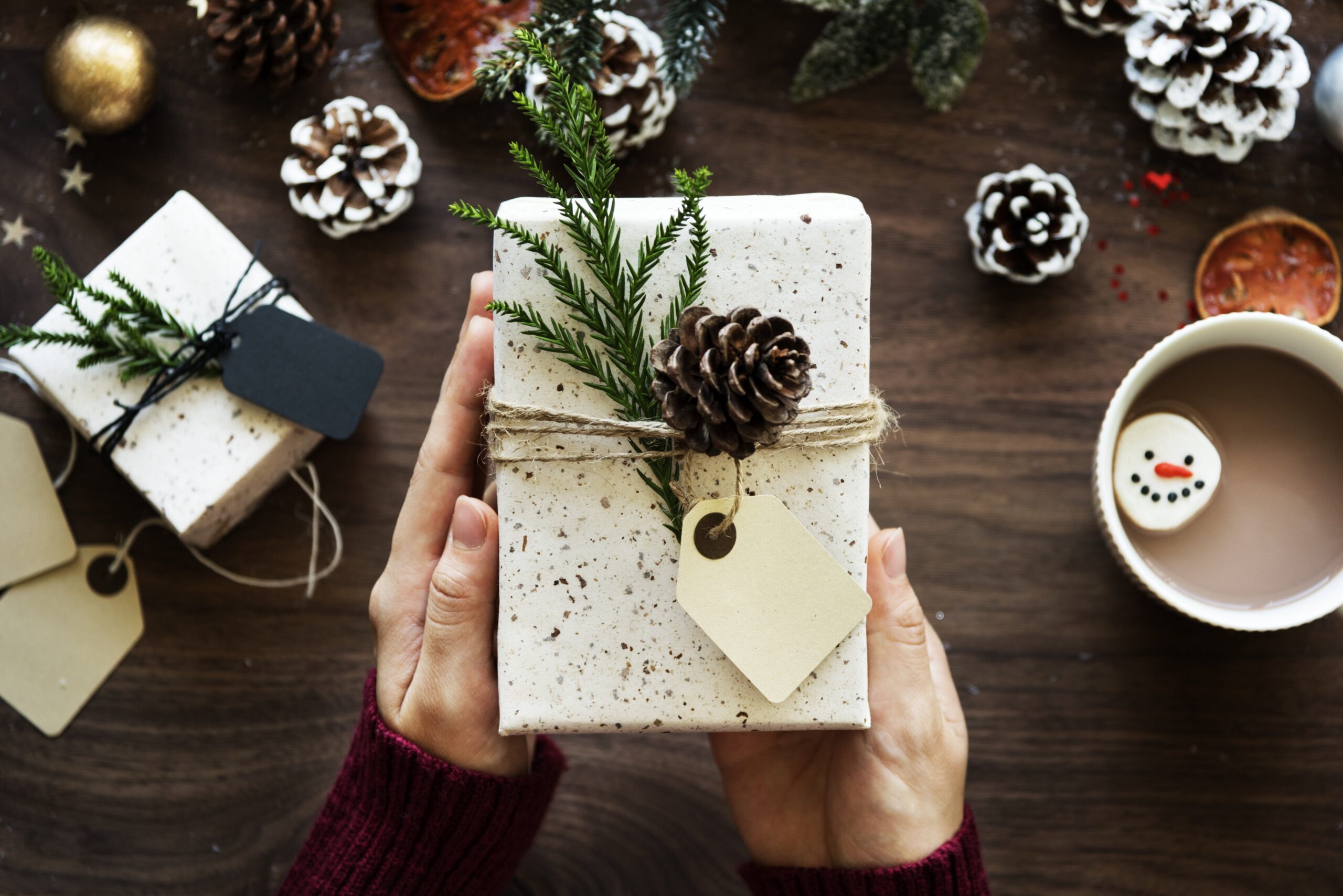
Handmade gifts are one of the most meaningful ways to show appreciation, celebrate special occasions, and express creativity. They carry personal value that store-bought items simply cannot match. Whether you want to save money, surprise someone with a unique present, or enjoy a fun crafting hobby, making gifts at home is a rewarding experience. This comprehensive guide explains what handmade gifts are, why they’re beneficial, which materials you’ll need, how to choose the right project, and how to create beautiful gifts even as a beginner. By the end, you’ll have the confidence and knowledge to craft thoughtful, high-quality presents from scratch.
1. What Are Handmade Gifts?
Handmade gifts are items created personally rather than purchased from a store. They can be artistic, practical, decorative, or sentimental, and they’re often crafted using simple materials such as paper, fabric, wood, clay, yarn, or recycled household items. Unlike mass-produced gifts, handmade presents offer customization—color, style, message, size—making them deeply personal.
Examples of common handmade gifts include:
- Custom candles
- Knitted scarves
- Personalized photo frames
- Painted mugs
- Homemade spa kits
- Handmade jewelry
- Decorative wall art
Handmade gifts can be as simple or elaborate as you choose, making them ideal for beginners and experienced crafters alike.
2. Core Reasons Handmade Gifts Are Worth Making
a. Thoughtful and Personalized
People value gifts more when they feel personal. Handmade items allow you to tailor colors, designs, and messages to the recipient’s style and personality.
b. Cost-Effective
Many handmade gifts use affordable or recycled materials, making them far cheaper than store-bought alternatives—without sacrificing quality.
c. Unlimited Customization
You can create exactly what you want, from the size and color to the theme and materials. Customization is nearly limitless.
d. Creative Expression
Crafting a gift encourages creativity, mindfulness, and experimentation. It’s also a relaxing hobby that doubles as a meaningful activity.
e. Eco-Friendly
Using recycled jars, boxes, fabrics, or paper reduces waste and gives new life to items that might otherwise be thrown away.
f. Skill Building for the Future
Each gift you create helps you learn new techniques—from painting to sewing—allowing your skills to grow naturally over time.
3. Types of Handmade Gifts Beginners Can Easily Make
Beginners often succeed quickly with simple yet impressive gift ideas such as:
- Candles: using jars, wax, and essential oils
- Scrapbook-style cards: using cardstock and decorative paper
- DIY bath bombs: made from baking soda, citric acid, and fragrances
- Decorated jars: painted or used as storage containers
- Friendship bracelets: using embroidery thread
- Handmade bookmarks: with paper, ribbon, or dried flowers
- Personalized keychains: made with beads or polymer clay
These projects require minimal experience but deliver professional-looking results.
4. Choosing the Right Gift to Make
a. Consider the Recipient’s Preferences
Does the person enjoy candles? Do they love reading? Are they sentimental? Matching the gift to their interests adds meaning.
b. Match the Gift to Your Skill Level
If you’re new, choose simple projects with clear steps. Build complexity gradually.
c. Look at Available Materials
Start with what you already have at home—jars, ribbons, paper, fabric scraps, or paint.
d. Consider the Occasion
Birthday, anniversary, graduation, holidays, or thank-you gifts all suggest different themes.
e. Aim for Projects You Can Complete on Time
Quick projects reduce stress and increase satisfaction—especially for beginners.
5. Essential Tools and Materials for Making Handmade Gifts
Most handmade gifts can be created using a basic set of crafting supplies:
- Scissors
- Hot glue gun or craft glue
- Cardstock or colored paper
- Acrylic paint and brushes
- Yarn, ribbons, or twine
- Jars, bottles, or boxes
- Stickers, stencils, or embellishments
- Cutting mat (optional)
- Essential oils (for candles or bath products)
These tools cover a wide range of gift-making projects without a large upfront investment.
6. Step-by-Step Guide: How to Make a Simple Handmade Gift
Here is a universal process that applies to almost any DIY gift:
a. Choose Your Gift Project
For example: a decorated mug, scented candle, or handmade card.
b. Gather All Materials
Prepare tools, workspace, and supplies before starting.
c. Follow Step-by-Step Instructions
Whether from a tutorial, book, or your own idea, work slowly through each step.
d. Add Personalized Elements
Include names, colors, dates, or inside jokes.
e. Package the Gift Creatively
Beautiful wrapping—ribbons, boxes, or handmade tags—adds charm and elevates the final result.
7. Tips to Make Your Handmade Gifts Look Professional
a. Use Quality Basic Materials
Even simple materials create beautiful outcomes when they’re clean and in good condition.
b. Keep Color Palettes Minimal
Two or three complementary colors create a cohesive look.
c. Avoid Rushing
Let glue dry fully, paint cure, and scents settle for best results.
d. Practice the Technique First
Try a small trial version before making the final gift.
e. Add Finishing Touches
A ribbon, label, or decorative edge can transform the entire presentation.
f. Watch Multiple Tutorials
Different creators explain techniques in different ways—this improves your understanding.
8. Long-Term Crafting and Gift-Making Habits
a. Keep a Design Notebook
Write down ideas, color schemes, and themes for future gifts.
b. Build a Small Crafting Station at Home
A dedicated drawer or table keeps crafting efficient.
c. Reuse and Recycle
Jars, tins, boxes, and fabrics are valuable materials for future gifts.
d. Restock Your Basic Supplies
Keep glue sticks, paper, and ribbons on hand to start gifts anytime.
9. Costs, Budgeting, and Saving Money
a. Upfront Costs
Most gift-making supplies are inexpensive. Candles, cards, and decor items can cost far less than store prices.
b. Affordable Sourcing
Thrift stores, dollar shops, and clearance aisles offer great materials at low costs.
c. Long-Term Savings
Handmade gifts can save you significant money on birthdays, holidays, and celebrations.
10. Addressing Common Concerns
a. “I’m not artistic. Will my gift look good?”
Absolutely. Many beginner projects use templates or step-by-step guides designed to look polished without requiring artistic skill.
b. “What if I don’t have the right materials?”
Most gifts can be adapted with simple or recycled items. Creativity matters more than perfect supplies.
c. “My gifts don’t turn out perfectly.”
Perfection isn’t the goal—uniqueness is. Handmade items are celebrated for their personal touch.
d. “I don’t have time for complicated crafts.”
Many gifts can be made in under 30 minutes, including candles, cards, or decorated jars.
11. Real-World Examples of Homemade Gifts
Example 1: Personalized Candle Jar
A beginner melted wax, added lavender essential oil, and poured it into a recycled jar. A simple label made it look boutique-quality.
Example 2: Custom Photo Frame
Using popsicle sticks, paint, and a printed photo, a teenager created a heartfelt gift for a family member.
Example 3: Spa Gift Set
A crafter assembled homemade scrubs, bath salts, and a decorated jar into a beautiful, themed present for a birthday.
These examples show how simple materials can be transformed into meaningful keepsakes.
Frequently Asked Questions (FAQ)
1. What is the easiest handmade gift to make?
Greeting cards, decorated jars, candles, keychains, and bookmarks are simple and beginner-friendly.
2. Do handmade gifts really save money?
Yes—most can be made for a fraction of retail price, especially when using recycled materials.
3. How long does a handmade gift take to make?
Depending on the project, between 10 minutes and a few hours.
4. What materials should beginners start with?
Paper, glue, jars, paint, ribbons, and basic craft supplies are enough for dozens of projects.
5. How do I make my gift feel more personal?
Include names, photos, favorite colors, special messages, or handmade tags.
Quick-Start Checklist for Making Handmade Gifts
- Choose a simple, meaningful gift idea.
- Gather all materials before starting.
- Use a clean, well-lit workspace.
- Personalize your project with names, colors, or themes.
- Add finishing touches for a professional look.
- Wrap or present the gift creatively.
- Keep practicing to improve your skills over time.