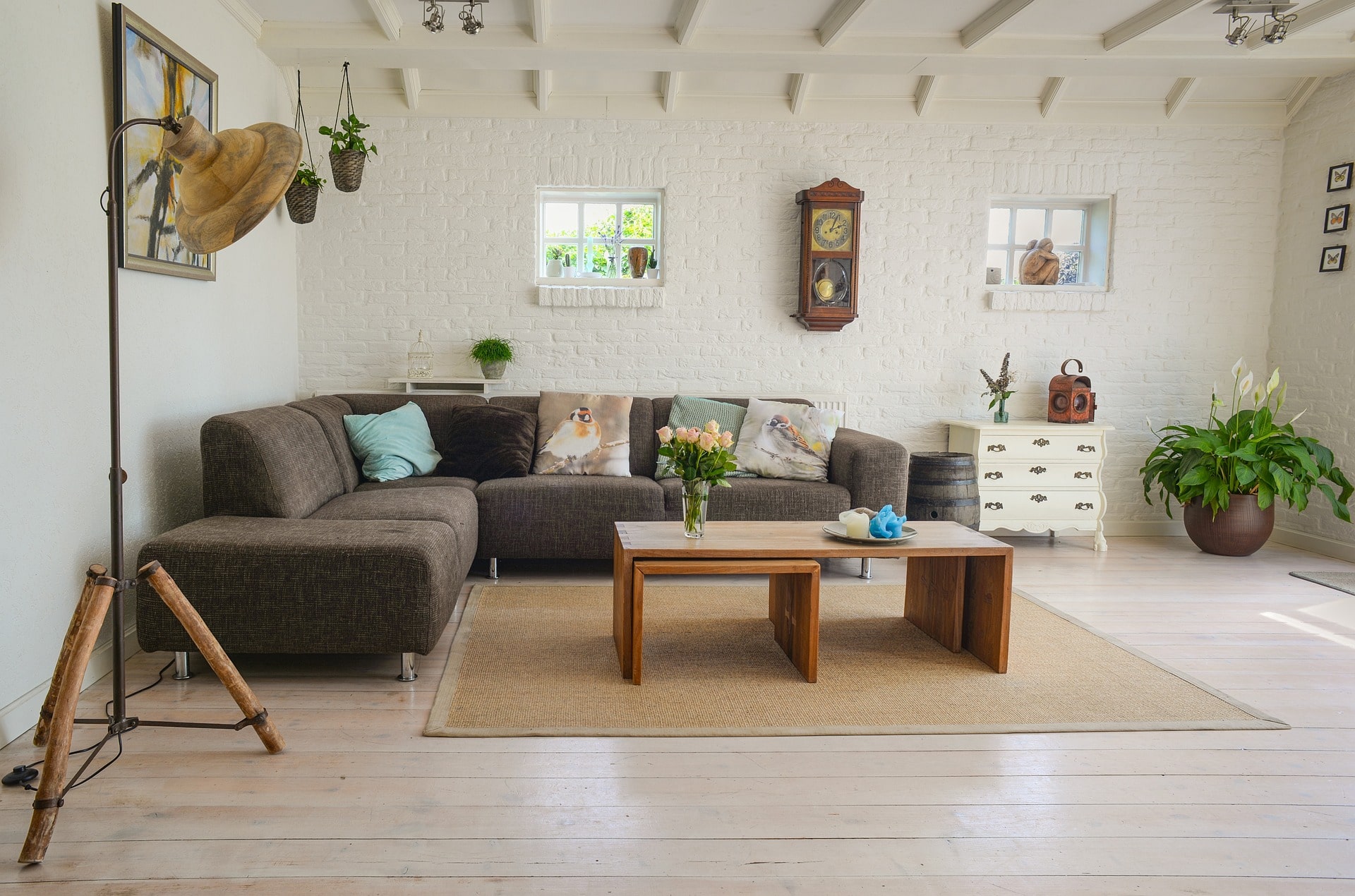
DIY home decor is one of the easiest and most rewarding ways to refresh your living space without spending a lot of money. Whether you want to add personality to your room, create a cozy atmosphere, or transform old items into stylish decorations, simple DIY projects can make your home feel unique and inviting. This guide explains what DIY home decor is, why it’s ideal for beginners, the best materials to use, how to choose the right projects, and how to design pieces that look polished and professional. By the end, you’ll know how to create beautiful, personalized decor items for any room in your home.
1. What Is DIY Home Decor?
DIY home decor refers to decorations, furniture accents, and aesthetic elements created using simple crafting techniques rather than buying ready-made items. These projects are designed to be budget-friendly and beginner-friendly, using materials such as jars, paint, fabric, wood, paper, or recycled household objects.
Common DIY home decor categories include:
- Wall art and canvas paintings
- Upcycled plant pots and vases
- Candle holders and lanterns
- Decorative storage boxes
- Wreaths and seasonal decor
- Fabric crafts like pillow covers or table runners
- Simple wood crafts like shelves or signs
DIY home decor allows you to customize your living space exactly the way you want—colors, textures, themes, and styles—all handled by you.
2. Core Reasons DIY Home Decor Is Worth Trying
a. Affordable and Budget-Friendly
Many decor items cost far less when made by hand. Reusing jars, boxes, and fabrics saves money while achieving stylish results.
b. Unique and Personalized Designs
DIY allows you to match colors, patterns, and styles to your room. Every piece becomes a one-of-a-kind creation.
c. Beginner-Friendly Projects
Most home decor crafts require no special tools. Painting, gluing, and assembling simple pieces provide quick wins.
d. Transformative Home Makeovers
A few small handmade items—like painted frames or decorative jars—can dramatically change the atmosphere of a room.
e. Eco-Friendly and Upcycle-Oriented
Instead of throwing items away, you can transform bottles, jars, cardboard, and scraps into beautiful decor pieces.
f. Relaxing and Creative Activity
DIY decor combines creativity and stress relief, making your home both beautiful and meaningful.
3. Types of Simple DIY Home Decor Items
Here are popular beginner-friendly decor ideas:
- Painted mason jars for flowers or candles
- Minimalist wall art using stencils or tape designs
- Decorative trays from cardboard or wood scraps
- Fabric-covered storage boxes
- Twine-wrapped vases
- Floating shelves made with simple wooden boards
- Candle lanterns from empty jars
- Handmade photo frames
All of these ideas require simple steps and easily accessible materials.
4. Choosing the Right DIY Decor Project
a. Match the Decor to Your Room Style
Modern, rustic, boho, minimalist, or colorful—choose projects that complement your existing decor.
b. Start With Beginner-Friendly Techniques
Painting, wrapping, and gluing are ideal for first-time crafters.
c. Use Materials You Already Have at Home
Old jars, cardboard, fabric scraps, and leftover paint are great starting points.
d. Consider the Space and Purpose
A small shelf might fit an entryway, while wall art suits a living room or bedroom.
e. Choose Projects You Can Complete Quickly
Fast projects maintain motivation and help you build confidence.
5. Essential Tools and Materials for DIY Home Decor
A basic DIY decor toolkit includes:
- Acrylic paint
- Brushes and sponges
- Hot glue gun or strong craft glue
- Scissors or craft knife
- Mason jars or glass containers
- Twine, rope, or ribbon
- Mod Podge or clear varnish (optional)
- Cardboard or wooden boards
- Decorative paper, stickers, or stencils
These simple supplies support countless DIY decor ideas.
6. Step-by-Step: How to Create Simple DIY Home Decor
a. Select Your Project Idea
Example: A painted vase, decorative sign, or easy wall art panel.
b. Prepare Your Workspace
Use newspaper or a mat to protect surfaces and gather all materials.
c. Clean and Prime Materials
Wipe jars, sand wood lightly, or flatten cardboard for better results.
d. Follow Clear Instructions
Whether from a tutorial or your own design, work through steps slowly.
e. Add Personal Touches
Color palettes, patterns, and textures make your decor piece unique.
f. Finish With Protection
Seal with varnish or Mod Podge to prevent fading and enhance durability.
7. Tips to Make Your DIY Decor Look Professional
a. Use a Limited Color Palette
Three complementary colors create a clean, modern look.
b. Sand Wood and Smooth Surfaces
Even inexpensive materials look premium with a smooth finish.
c. Tape Edges for Clean Lines
Painter’s tape ensures sharp, professional borders on artwork and wood pieces.
d. Let Layers Dry Completely
Paint and glue should fully dry before adding details.
e. Add Texture Thoughtfully
Twine, rope, fabric, or lace can elevate simple items.
f. Keep Designs Simple
Minimalist decor often looks more modern and elegant.
8. Maintenance and Long-Term Use
a. Dust Decor Items Regularly
This keeps colors vibrant and surfaces clean.
b. Avoid Direct Sunlight on Painted Pieces
This prevents fading and keeps decor looking fresh.
c. Clean Glass and Jars Occasionally
Wipe with a soft cloth for shine.
d. Refresh Designs Seasonally
Repaint, rewrap, or restyle items to match holidays or decor changes.
9. Costs and Budget Considerations
a. Low Upfront Expenses
Most beginner decor projects cost very little—many under a few dollars.
b. Using Recycled Materials Saves More
Old jars, boxes, and scrap wood eliminate the need to buy new supplies.
c. Long-Term Savings
DIY decor can replace expensive store-bought items for years.
10. Addressing Common Concerns
a. “I’m not artistic.”
Most DIY decor projects use simple techniques—straight lines, solid colors, and repeated patterns do not require artistic skill.
b. “I don’t have fancy tools.”
Glue, scissors, and paint are enough for dozens of projects.
c. “My projects don’t look perfect.”
DIY decor is supposed to be handmade. Small imperfections give charm and authenticity.
d. “I don’t know how to match colors.”
Stick to neutral tones, whites, blacks, or earth colors for foolproof aesthetics.
11. Real-World Examples of Simple DIY Home Decor
Example 1: Twine-Wrapped Glass Vases
A beginner wrapped old glass bottles with twine and added simple white flowers, creating rustic centerpiece decor.
Example 2: Minimalist Geometric Wall Art
Using painter’s tape and two colors of paint, a simple canvas became modern wall art in less than an hour.
Example 3: Upcycled Wooden Tray
Using leftover wood and a bit of paint, a DIYer transformed scrap boards into a stylish serving tray.
These examples prove that simple projects can dramatically elevate home style.
Frequently Asked Questions (FAQ)
1. What is the easiest DIY home decor project for beginners?
Painted jars, simple wall art, fabric-covered boxes, and homemade vases are great starting points.
2. Do DIY decor projects require special tools?
No. Basic tools like paint, glue, and scissors are enough for many projects.
3. How much does DIY home decor cost?
Many projects cost very little, especially if you reuse household items.
4. How do I choose a color scheme for my decor?
Start with neutral or matching colors already present in your room.
5. Can DIY decor really improve how my home looks?
Absolutely. Even small handmade accents can make a room feel warm, stylish, and personalized.
Quick-Start Checklist for DIY Home Decor
- Choose a simple project idea.
- Gather basic tools and recycled materials.
- Set up a clean crafting space.
- Use a limited color palette for clean results.
- Add personalized touches to make the decor unique.
- Seal or protect the finished piece.
- Try new projects each week to upgrade your home decor gradually.