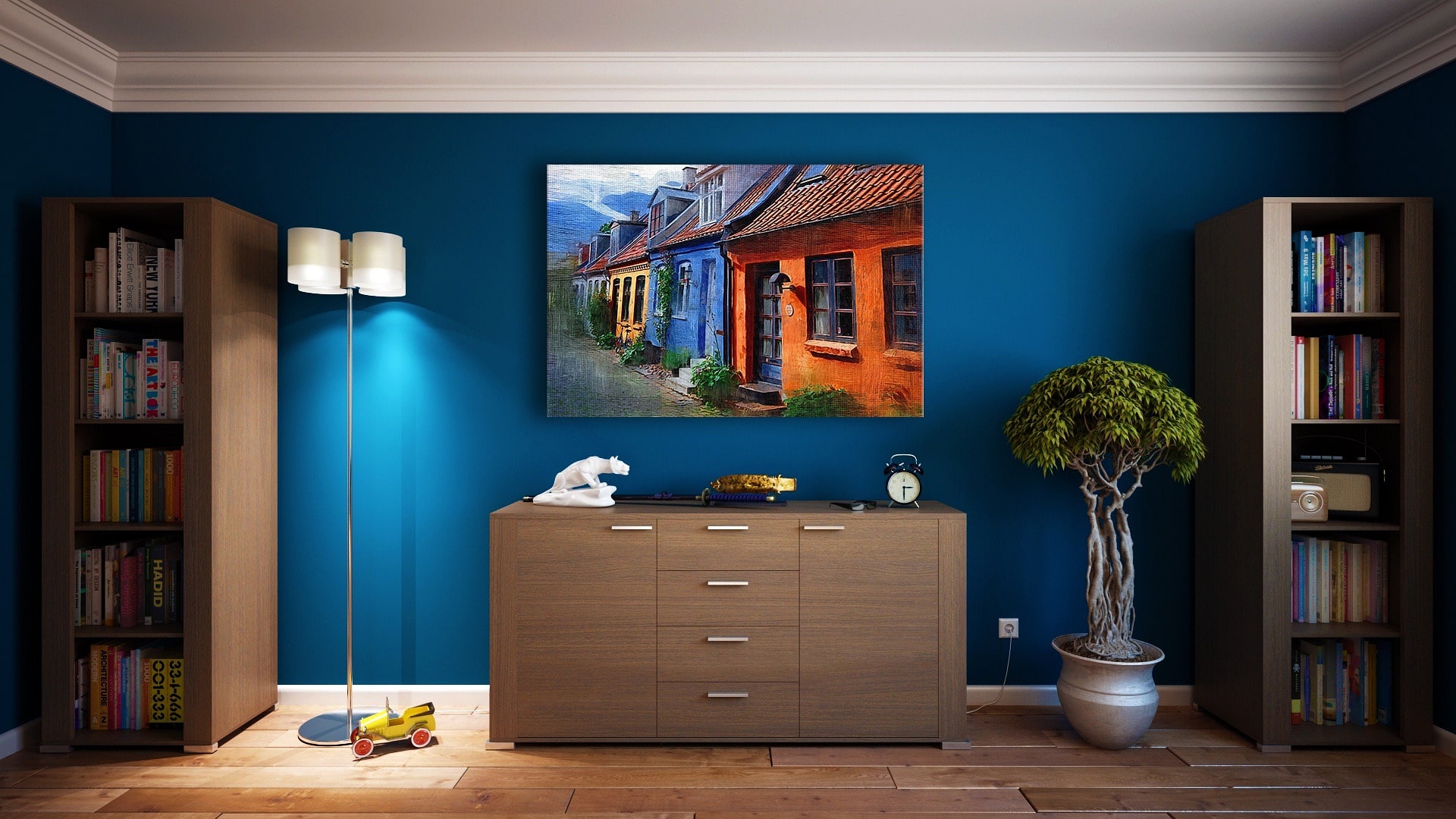
Decorating a small room can be both exciting and challenging. Limited space means every detail counts, and your décor choices must balance style, functionality, and minimalism. Thankfully, DIY room décor projects make it easy to transform small spaces without spending much money. With the right ideas, simple materials, and creativity, you can make any small bedroom, office, or studio feel cozy, stylish, and spacious.
This guide explains how to decorate small spaces using easy DIY ideas, what materials to use, how to choose the right décor, step-by-step projects, organizing tips, cost considerations, and more. By the end, you’ll know exactly how to create beautiful décor that fits perfectly in compact rooms.
1. What Is DIY Room Décor?
DIY (Do-It-Yourself) room décor refers to creating your own decorative items using simple materials and creative techniques. Instead of buying expensive store-bought décor, you personalize your space with handmade pieces that match your style and help solve storage challenges.
DIY décor for small spaces focuses on:
- Maximizing wall and vertical space
- Using lightweight, multifunctional items
- Reducing clutter
- Adding personality without overwhelming the room
This approach is budget-friendly, customizable, and ideal for renters or students.
2. Why DIY Décor Works Perfectly for Small Spaces
a. Saves Space and Reduces Clutter
Many DIY projects double as storage, helping keep small rooms tidy.
b. Cost-Effective
Most projects use cheap materials like cardboard, scrap wood, mason jars, or old clothes.
c. Custom Fit
You can size décor pieces exactly to fit tight corners, shelves, or narrow walls.
d. Easy to Personalize
Choose your favorite colors, textures, and themes so your room feels uniquely yours.
e. Makes Rooms Look Larger
DIY mirrors, light colors, and smart layouts can create the illusion of more space.
3. Choosing the Best DIY Projects for Small Rooms
Before starting, consider these factors to pick the right décor ideas:
a. Vertical vs. Horizontal Space
Small rooms usually lack floor space, so prioritize wall-mounted décor.
b. Natural Lighting
DIY light-reflecting pieces—like painted mirrors or white frames—enhance brightness.
c. Storage Needs
Select décor that adds function, such as shelves, baskets, or organizers.
d. Style and Theme
Minimal, boho, Scandinavian, or modern are great styles for small spaces.
e. Material Availability
Choose projects based on materials you already have to save money.
4. Materials and Tools You’ll Need
Most DIY décor projects require only simple supplies:
- Hot glue gun
- Scissors
- Paint and brushes
- Cardboard or wood scraps
- Mason jars or old containers
- Twine, rope, or ribbon
- Fabric scraps
- Small hooks or nails
- Tape measure
- Command strips (ideal for renters)
5. Simple DIY Décor Ideas for Small Spaces
a. Floating Rope Shelves
Use a wooden plank and rope to create hanging shelves for plants, candles, or books.
They save floor space and add a stylish, airy look.
b. Wall Grid Organizer
Transform a metal grid into a multifunctional organizer for notes, photos, and accessories.
c. Photo Collage Wall
Print small photos and hang them with clothespins on string lights for a cozy vibe.
d. DIY Fabric-Covered Storage Boxes
Reuse cardboard boxes and cover them with fabric to create aesthetic storage bins.
e. Painted Mason Jar Holders
Decorate jars to store makeup brushes, pens, or plants without taking up much space.
f. Narrow Bookshelf from Crates
Stack and paint wooden crates to create vertical bookshelves that fit in corners.
g. Minimalist Wall Art
Use canvas, yarn, or acrylic paint to create simple wall art that adds color without clutter.
h. Under-Bed Storage Caddies
Use baskets or repurposed drawers on wheels to store blankets and clothes.
i. Ladder Shelf Nightstand
A small wooden ladder can serve as both a nightstand and a vertical display area.
j. DIY Hanging Planters
Macramé rope or fabric strips can be used to hang lightweight plants, saving table space.
6. Step-by-Step Mini Project: DIY Rope-Wrapped Hanging Shelf
Step 1: Gather Materials
- One wooden plank
- Thick rope
- Drill
- Paint (optional)
Step 2: Prepare the Wood
Sand the edges and paint or stain it if desired.
Step 3: Drill Holes
Make two holes on each side of the plank.
Step 4: Thread the Rope
Insert the rope through the holes and tie knots underneath to secure.
Step 5: Hang the Shelf
Use sturdy hooks or wall anchors to mount it.
Perfect for plants, candles, or lightweight décor.
7. Tips to Make Small Rooms Look Bigger
a. Use Light Colors
White, cream, beige, or pastels visually expand the room.
b. Add Mirrors
Mirrors reflect light and create depth.
c. Choose Multi-Functional Pieces
Furniture with storage keeps the room neat and open.
d. Keep Walls Minimal
Too much décor makes small rooms feel crowded.
e. Maximize Corners
Corner shelves, lights, or plants make great use of usually wasted space.
8. Maintenance and Long-Term Use
- Dust DIY décor regularly.
- Replace worn strings, hooks, or adhesives when needed.
- Repaint items if colors fade.
- Reorganize shelves every few months to avoid clutter build-up.
A little maintenance keeps small rooms looking fresh and stylish.
9. Cost, Budget, and Alternatives
a. Budget-Friendly
Most DIY décor projects cost far less than buying ready-made items.
b. Free or Recycled Materials
Cardboard, old jars, fabric scraps, and leftover wood are excellent zero-cost options.
c. Renting-Friendly Decor
Use command strips instead of nails to avoid wall damage.
d. Time Investment
Many projects take 10–20 minutes, making them ideal for busy schedules.
10. Real-World Examples
Example 1: Transforming a Tiny Bedroom
One person used floating rope shelves and a photo wall to maximize space and keep the floor clear.
Example 2: Small Study Corner Upgrade
A wall grid and mason jar organizers turned a cramped desk area into a functional workspace.
Example 3: Studio Apartment Makeover
Crate shelves, hanging planters, and custom wall art brought style and order to a compact studio.
Frequently Asked Questions (FAQ)
1. What is the easiest DIY décor project for small spaces?
Floating shelves, painted jars, and photo walls are extremely beginner-friendly.
2. Do I need tools like a drill?
Not always. Many projects use rope, tape, or command hooks instead of hardware.
3. Can DIY décor damage my walls?
Not if you use adhesive hooks or removable strips.
4. How can I decorate without making the room feel cluttered?
Use minimal, vertical décor and stick to light colors and simple designs.
5. Are DIY projects durable?
Yes—when made with good materials and proper installation, they last a long time.